

by David Innes
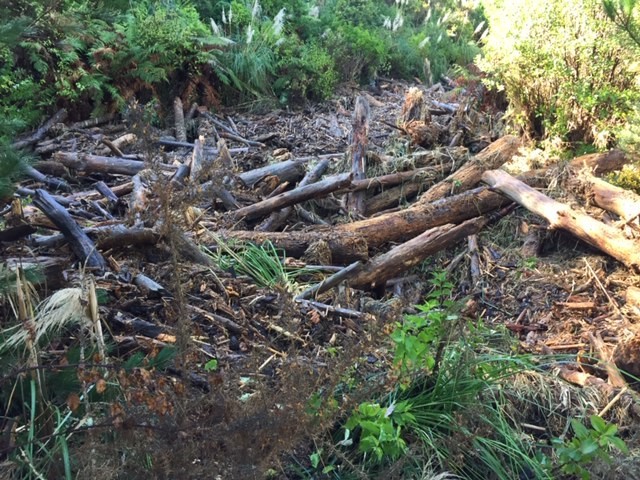
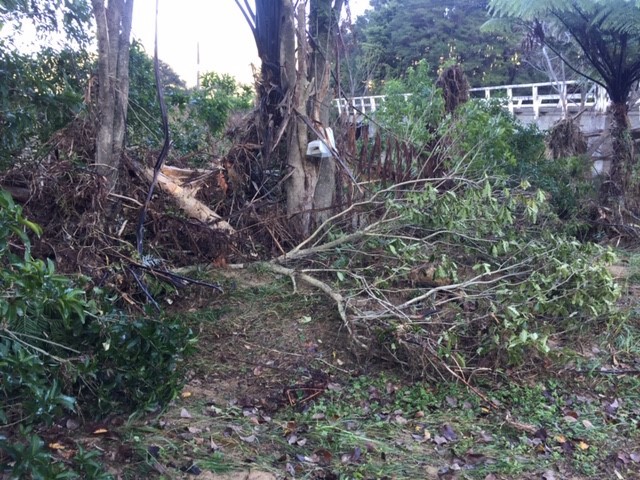
Following the major storm of Queen’s Birthday weekend which caused particular dam-age in the Kapowai Valley, Kapowai Kiwi Group (KKG) had to assess the damage to the trapping and baiting infra-structure. We lost some 16 stoat traps and several bait stations. There were also portions of two tracks that sustained damage due to two large slips on either side of the river, 1.5 km upstream of the bridge. Passage was imminently dangerous until the silt stabilised and solidified. A number of bait stations, situated about shoulder height on trees, were practically filled with silt where flood debris reached up to 3 m above ground level.
Despite the damage, Kapowai Kiwi Group’s remaining traps caught 18 rats, 3 stoats and 2 weasels in June. Thankfully, through the Small Scale Community Initiatives Fund, Waikato Regional Council granted KKG funding to purchase replacement traps so we could restore our full trapping programme.
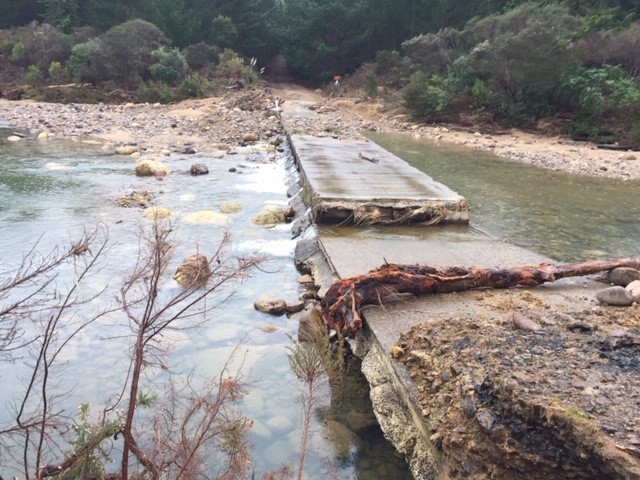
The Queen’s Birthday flood also washed out either end of the ford at the Coroglen Forest entrance, 6 km from SH 25. This prevented completion of the Kapowai Kiwi Group’s full Kiwi listening pro-gram, as we were unable to access two of our regular listening sites this year.
KKG undertakes a listening programme annually at four or more listening sites, and although recording calls during a sample time period in the winter breeding season is a crude measurement of the kiwi population, it does give us some idea of what is happening to the kiwi population in the area over time. We have been carrying out this listening programme since 2005, and there has been a definite increase in kiwi calls over this time period (2005-2020).
We were concerned that the prolonged drought in 2019-2020 would have adversely affected kiwi numbers, as kiwi depend on moist soil to probe for worms and insects. How-ever, kiwi call numbers this season (April-June 2020) have been surprisingly abundant and, the data suggest kiwi numbers are preserved.
KKG are always looking for people to assist with kiwi listening so if the idea of walking into the bush at night and sitting quietly for 2 hours (6pm-8pm) bundled up against the cold with a flask of hot chocolate, waiting for the high pitched repetitive male call and the lower grinding response from the female, and recording times and directions of calls carefully, appeals to you, please send a message to rebeccaeb-bers@protonmail.com,- we would love to have you on board!